

Treatonomics: When Brands Celebrate Everything
Brands are tapping into the consumer mindset of celebrating small wins.
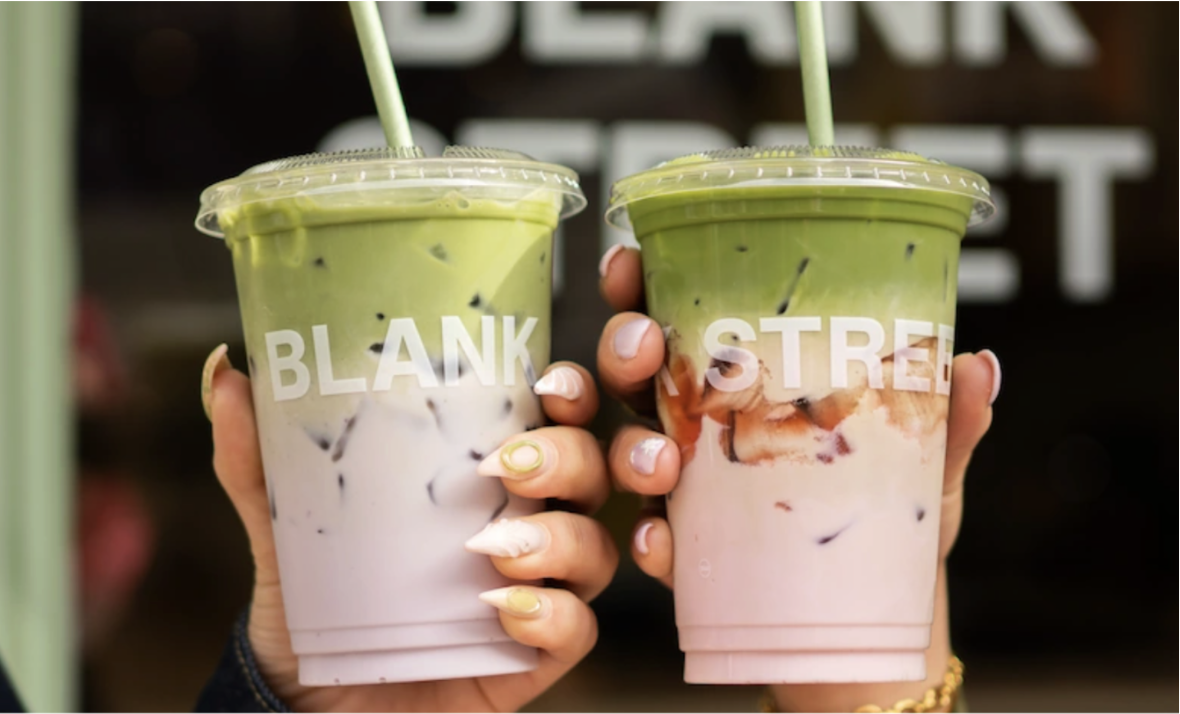
Photo courtesy of Quine Magazine
It’s really fun to celebrate things. It’s kind of hardwired into us. Birthdays, graduations, promotions, a new year, Valentine’s Day (if you’re lucky). But big moments have a frustrating habit of not happening often enough. So, what do you do in the meantime?
Treatonomics. Bear with me, this one’s good.
Treatonomics is the act of spending on smaller, more affordable everyday luxuries during times when costs are high and bigger purchases can’t be afforded, sometimes viewed as a form of self-care. It’s the sweet spot of “treat yourself” and “economics.” Let me make it a little less complicated – a sweet treat, a fun drink, a new lip gloss, “just to try it.” Are you following?
Here's the thing about treatonomics: the occasion is just as sellable as the product. Anyone can slap their logo on a graduation or a New Year's campaign. That's easy. The real flex is making a random Tuesday feel like it deserves a moment. The brands winning right now aren't waiting for life to hand consumers a reason to celebrate; they're building one. They're telling you that finishing your to-do list, surviving a day at work, or simply existing on a Wednesday is enough. When you believe that, you buy the drink, the gloss, or the snack. Treatonomics isn't just a consumer behavior trend. It's a creative brief. The job isn't to sell the product, the service, or the lip gloss. It's to sell the feeling that you've earned it.
Treatonomics lives in your day-to-day life; you probably just didn't notice that's what it was. The concept connects to a recent social media trend: “Girl math.” Girl math is the idea that playfully justifies purchases by reframing them as logical or “basically free.” Brands leveraged the trend by incorporating the phrase into their marketing to frame products as smart indulgences, boosting engagement while staying culturally relevant. For example, in “girl math,” paying cash for the Dior Lip Oil makes it feel free because money isn’t technically deducted from your bank account; a mindset brands tap into by framing small purchases as guilt-free, justifiable indulgences.
On the topic of lip gloss, the trend of treatonomics historically leads consumers down two pathways: beauty and food. Similar to treatonomics is the “lipstick effect.” The phrase was conceptualized by Leonard Lauder of Estée Lauder in 2008, after observing spikes in lipstick sales following the 2001 terrorist attacks in the U.S. However, these purchasing trends can be traced back to the Great Depression of the 1930s, when cosmetic sales also increased. Beauty has consistently remained a strong industry even during difficult economic periods. If you look good, you feel good.
What's changed since the 1930s isn't just the products, it's the audience. Now the treat gets posted. The haul gets filmed. The matcha gets its own moment. Social media turned self-reward into a shared experience, and brands are very aware of that.
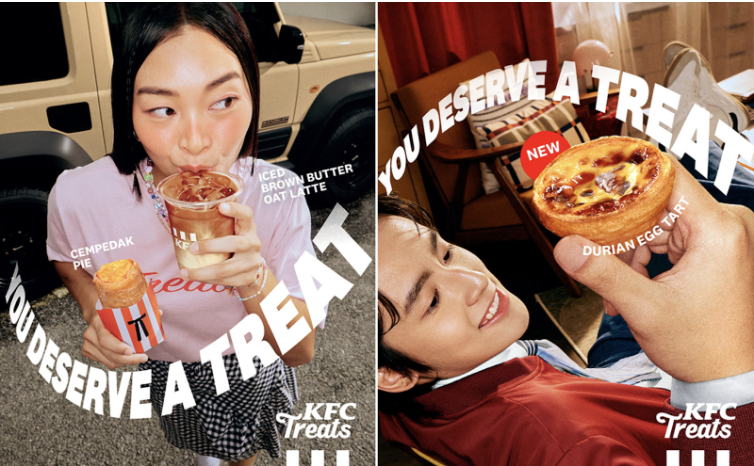
For advertisers, this is a major opportunity. By leveraging micro-reward culture, they set the bar for celebration beautifully (and deliberately) low. They do this by highlighting small moments of joy that can be felt through their products to drive impulse buys. Take a look at KFC Malaysia’s campaign: “You Deserve A Treat.”
Photos courtesy of Campaign Brief Asia
This campaign was done in partnership with VLM Malaysia, a global creative agency, to invite Gen Z to “indulge in life’s little moments with affordable snacks that feel special,” wrote Adam Shaw, a journalist covering the event. The idea was executed as a launch event in KFC Sunway Pyramid, a major KFC location in Malaysia, where guests walked into a playful experience that celebrated the spirit of making self-reward a daily ritual, whether it was to celebrate a micro win at school, work, or simply getting through the day.
The campaign ran mostly on Instagram and TikTok, using short-form videos and memes to show how snacks could celebrate life’s little victories. KFC also collaborated with a roster of Gen Z social creators and invited content creators to the launch event, who shared their experiences on social media to drive buzz and engagement.
As for the advertising mechanics, treatonomics does not happen by accident. Brands engineer it. They do this through four tactics: Low price anchoring, limited timing, language, and ritual framing.
“$5 feels like nothing.”
“Pumpkin Spice Latte - only available for 2 months.”
“You deserve this.”
“Your new daily essential.”
Every word is doing a job. The low price removes the barrier. The seasonal window creates urgency. "You deserve this" absorbs the guilt before you even feel it, and "daily essential" turns a splurge into a necessity. By the time you've read the ad, the decision is already made. It’s a guilt-free win-win for both parties.
It would be irresponsible not to mention the other side of this. Brands are really good at finding you at your lowest; after a long, stressful day, they know you’re most in need of a win or when you’re too tired to cook your own dinner. Suddenly, at 10 PM, that buy-one-get-one-free is looking pretty good on Uber Eats. When you are most in need of a win, they tell you now is the perfect time to spend. That's not accidental, and it's not neutral. There's a fine line between celebrating life's small moments and monetizing someone's bad day.
Treatonomics isn’t purely about the treats themselves; it’s about the feelings they create. From the lipstick effect during the Great Depression to concepts like girl math, brands have mastered the skill of making little moments feel bigger than they are. They leverage pricing, language, timing, and social media culture to turn small wins into reasons to indulge. While the reward ends up feeling guilt-free, it is carefully orchestrated. Even though the joy is real, the true question is: who is really benefiting here?
-Lexi Driscoll-