

The Scary World of Advertising Without Social Media
Australia’s under-16 social media ban leads advertisers to rethink young audience connections.
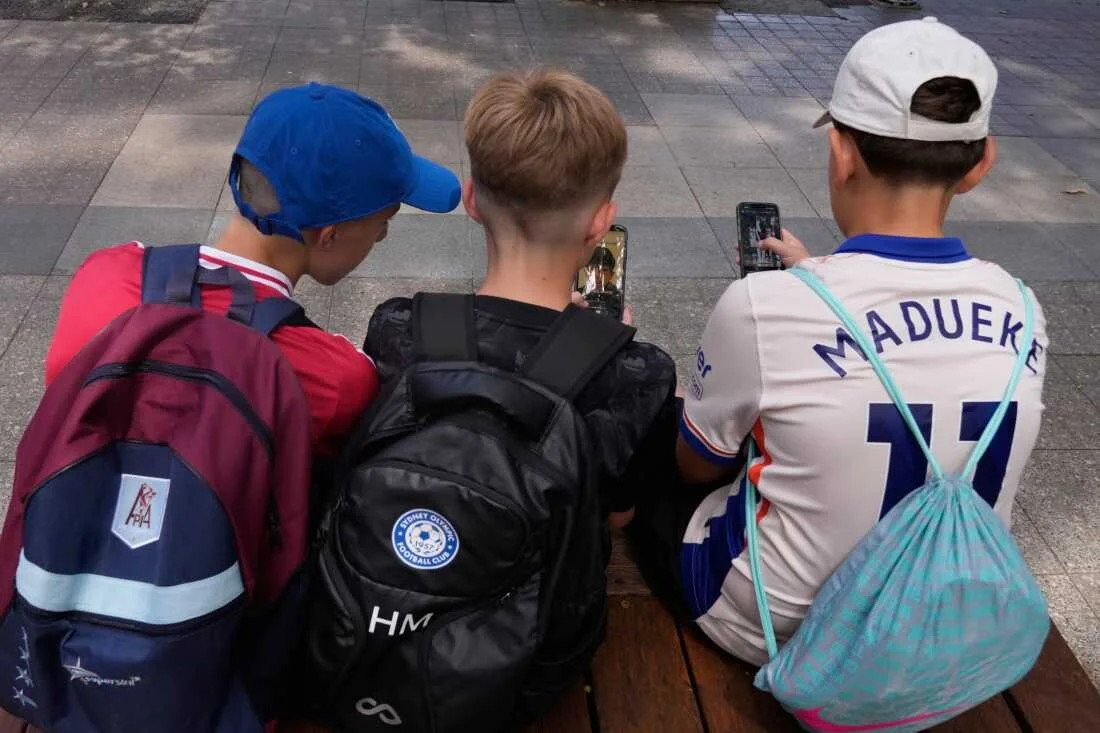
Photo courtesy of BBC
Australia became the first country to ban social media for individuals ages 16 and under last December. Now, as more countries consider bans and restrictions, advertisers are looking to pivot their targeting and media buying strategies.
Countries such as Malaysia, Indonesia, Papua New Guinea, New Zealand, Singapore, and parts of Europe are all considering passing similar legislation, while the U.S. recently agreed to terms with TikTok to avoid a ban.
What does the ban require, and what’s the reasoning behind it?
Australia’s new law requires that social media platforms ban users under 16 years old from making accounts. If platforms fail to comply, they’ll face a fine of up to $33 million. Officials say 4.7 million accounts have been removed since the ban.
The ban was enforced to protect the mental health of teens and pre-teens. Australian officials cited the risks of cyberbullying, inappropriate content, and online predators in their reasoning. To assess their age, users have a couple of options, including providing ID or doing an age estimation from a photo or video.
For Australian advertisers, the days of influencer-based marketing and TikTok shop ads are over with teens and pre-teens. Instead, advertisers are focusing on developing a broad mix of media to target young people.
How are advertisers responding?
Some brands are choosing to target parents through TV spots and adjusted social media targeting as a means of reaching younger audiences. Others have sought out popular apps outside of social media, like WhatsApp and Messenger, says Sarah Keith, group managing director at Involved Media. Since the ban, WhatsApp has seen an uptick in users. Video games accessible by phone, like Fortnite and Roblox, have also gained traction as a way to reach pre-teen audiences.
One Australian-based marketing group recommends building up owned media channels as a solution. Alyka suggests creating newsletters and investing more in websites that will drive traffic without the need for social media apps. They also recommend re-evaluating the allocation of funds and using funds normally designated for social media targeting to explore more organic OOH solutions, like event partnerships.
This kind of offline connection is an option that could increase brand loyalty by tying communities directly into campaigns. As online markets continue to grow, in-person connection with consumers could make all the difference in brand choice. Targeting young people through high schools, community centers, and pop-up events could create a new in-person ‘for you page.’
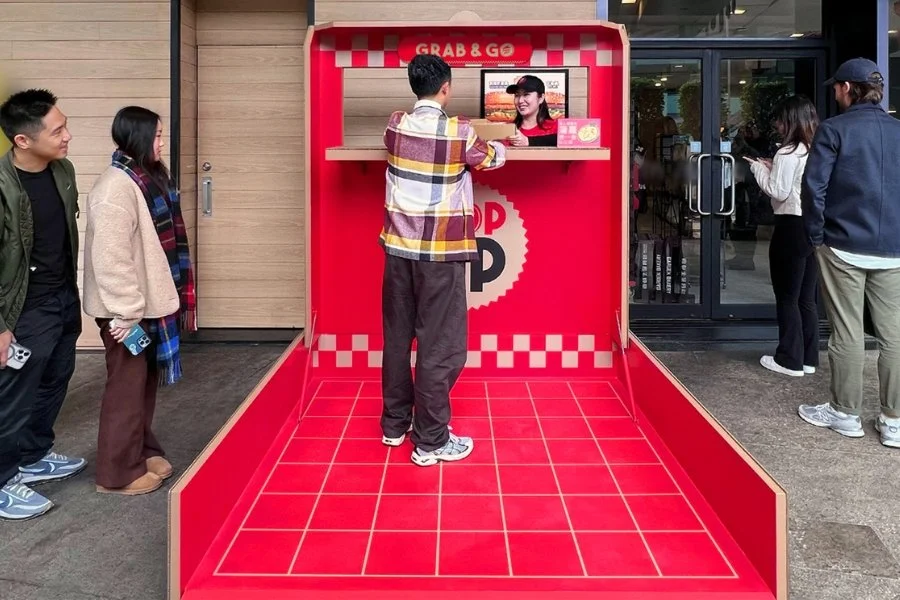
Photo courtesy of Campaign Asia
And while these communal connection strategies may be easier for local groups who can pivot faster, that doesn’t mean it's impossible for large-scale non-profits and corporations. In the past, pop-up events have gained huge followings both in-person and online. Pizza Hut’s Pop-Up Pizza campaign in Hong Kong placed a literal pop-up pizza box outside office buildings during lunch hour. They sold ‘meal-for-one’ pizzas as a way to help workers get food quickly. The campaign blew up on social media, but didn’t rely on it to gain traction with the lunch crowd. In a future where young people are off social media apps, this kind of event could be key to attracting attention online and traffic on the ground.
As young people are taken out of the social media targeting equation, parents and community spaces become more important than ever. Advertisers will have to be more creative and in touch with the needs of young people to reach the audiences that were previously accessible via influencers and sound bites.
With the future of young audiences online uncertain, quick adaptability will be key to connection. Australia may be the first to ban, but they certainly won’t be the last.
-Emilie Driscoll-