

The Branding of a Pop Star: How Visual Identity Drives Modern Fame
How distinct aesthetics and authentic branding turn musicians into cultural touchstones.
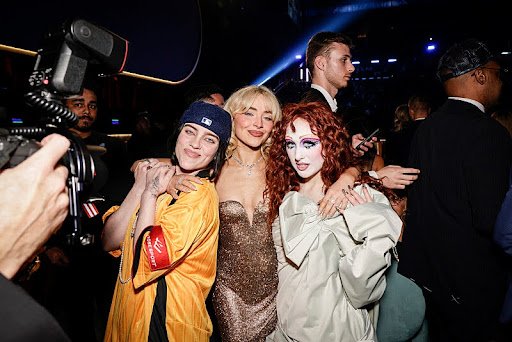
Photo courtesy of CBS
In today’s age of constantly changing microtrends and rapidly shortening attention spans, the pressure is high for up-and-coming pop stars to grab fans’ attention for more than a fifteen-second TikTok video. The young pop stars currently having the most impact on pop culture share one thing in common: they aren’t just impeccable musicians with catchy lyricism; they are fully realized brands.
Through album covers, outfits, and tours, modern musicians curate an aesthetic that fans instantly associate with the singer, creating trends and buzz that launch the musician further into stardom. The success of modern celebrities is deeply reliant on strategic branding, where a pop star’s visual identity becomes a critical marketing tool that drives audience recognition, virality, and loyalty.
As Gen Z has become infatuated with short-form video content from TikTok and Instagram reels, their attention span has decreased immensely. Research conducted by Microsoft in 2015 found that the average attention span of Gen Z individuals was only about eight seconds, four seconds less than that of Millennials. The study attributes this decrease to the generation's constant exposure to digital content and multiple screens. This leaves rising celebrities with less time to make an impact on their target audience, and pushes them to take on larger-than-life personas to hook the public with videos of their concerts and music promotions. Fans have adapted to expect a creative, cohesive look from their favorite artists. This shift in expectations drives marketing teams to craft extravagant, instantly recognizable branding that surrounds everything associated with the celebrity.
A current celebrity who has absolutely mastered the merging of her music and brand is Sabrina Carpenter. Carpenter’s music career began to take off with her fifth studio album, “Emails I Can’t Send”. She toured for this album from September 2022 to August 2023. During the tour, her outfits were darker, trendy, and she completed her look with long, straight hair. Carpenter didn’t have a distinct brand identity at the time because her looks were more basic, and her aesthetic wasn’t cohesive throughout the time she was touring. Although she had loyal fans, she didn’t begin to build up a massive fan base until her rebrand that came alongside her sixth album, “Short ‘n Sweet”. With “Short ‘n Sweet”, Sabrina adopted a cutesy, vintage, hyper-feminine personality that fans immediately fell in love with. She took the stage on tour with a 90’s bouncy blowout, voluminous blonde bangs, and a sparkly bodysuit that has now become her signature. Even her tour set aligned with her girly aesthetic, complete with a heart-shaped conversation pit and bedazzled grand staircase. This distinction in Carpenter’s aesthetic has also allowed her to partner with brands to promote products that align with her persona, such as Redken leave-in conditioner and Van Leeuwen espresso-flavored ice cream, a nod to her chart-topping hit “Espresso”. Carpenter’s specific brand aesthetic draws both brands and viewers in, and allows fans to have a distinct view on her music that was not achievable with her more basic looks during “Emails I Can’t Send” Tour.
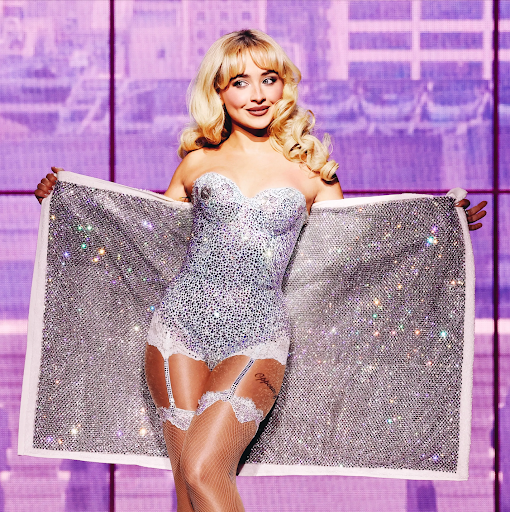
Photo courtesy of Teen Vogue
A second prime example of the importance of pop branding is Chappell Roan. Although Roan has a strong voice and catchy music, her music has only recently taken off despite releasing songs since 2012. In 2024, she opened for Olivia Rodrigo on her “Guts” tour and quickly gained a massive fanbase, even breaking the record for attendees at a non-headliner performance at Lollapalooza, with 110,000 people in her crowd. The difference between her unsuccessful music and her rise to popularity was all about her branding. When Roan began performing with Olivia Rodrigo, she adopted a drag-inspired, maximalist look that was completed with long, red curls. Fans fell in love with her theatrical personality and extravagant look. Her brand team played off of her recognizable red hair to create advertisements around New York City promoting her newest single, “The Subway”, which landed at number three on Billboard’s Hot 100.

Photo courtesy of People Magazine
In marketing terms, a distinct visual identity makes a popstar instantly memorable, and that memorability makes all the difference in a highly populated digital landscape. When artists like Sabrina Carpenter and Chappell Roan have consistent, interesting aesthetics, it fuels social media virality, boosts brand recall, and gives fans something easily replicable in outfits, edits, and Halloween costumes. The marketing visuals become interchangeable with the artist themselves, allowing them to stand out against the thousands of other videos on consumers’ For You pages. For modern pop stars, excellence is no longer solely achieved from having great music; it’s also about having a distinct look and vibe that can be recognized, remixed, and shared a million times over.
Overall, the visual aesthetic of a pop star has become one of the most powerful tools in shaping their success in music. A distinct look makes an artist easier to promote, partner with, and build campaigns around. The real key to creating a successful brand is authenticity: Gen Z can spot a forced persona from a mile away, and no amount of clever marketing can cover up a brand that doesn’t match the sound, story, or personality of the artist behind it. The successful musicians today aren’t just committing to a look; they’re committing to a cohesive world that feels true to them, resonates with fans, and creates endless opportunities for storytelling, advertising, and collaboration. Ultimately, the modern pop landscape rewards the artists who merge artistry with branding, crafting a visual personality that elevates their music and secures their place in the cultural conversation.
-Harmony Drake-