

My sister and I are very close, and the other day, she was describing how badly she wanted a Jellycat. In fact, what she really wanted was to travel to New York City to purchase one. She’s 23 years old. So, my question is: How does a brand like Jellycat, a toy company for children, get someone like my sister so excited to travel to its store and buy one of its products?
Jellycat, a soft toy and plush design company founded in London in 1999, has experienced two “booms” in popularity. According to The Jelly Journal, the first occurred during the 2000s and 2010s. Jellycat’s rise in popularity was driven by the release of its iconic Bashful Bunny collection and the company’s expansion into international markets. Its second boom is a little more interesting…
Jellycat shifted its target audience from kids and parents to Millennial and Gen Z consumers. This shift reflects an increase in adults seeking nostalgia and comfort. Social media platforms such as Instagram and TikTok have played a huge role in this trend. Users present their Jellycats as companions, bringing them along while shopping, hiking, traveling, and going about their day.
Jellycat’s popularity has been fueled by this user-generated content. Consumers show off their toys and assign personalities to them. This content allows consumers to promote the brand to other consumers through their own experiences. As a result, Jellycat has built an online presence that feels personal and authentic to viewers.
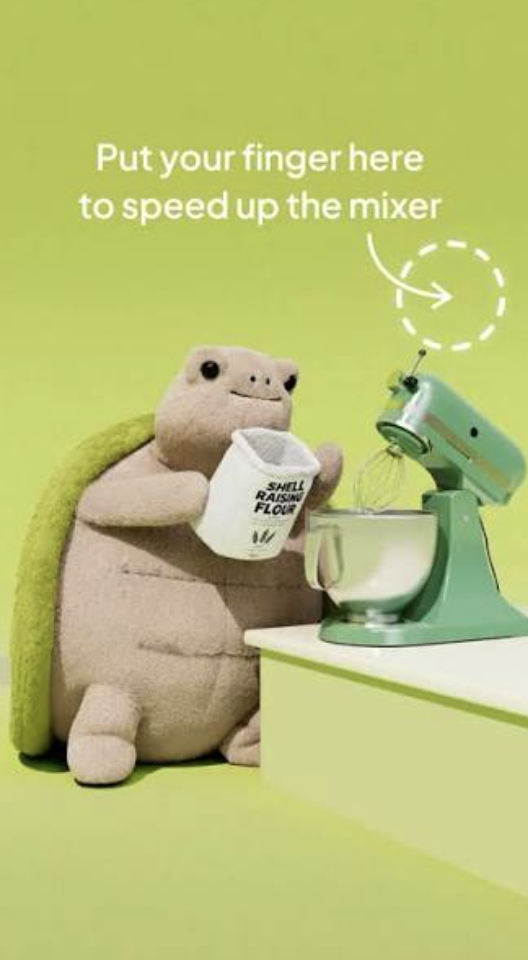
Jellycat has capitalized on the growing connection between people and their Jellycats by creating story-driven Instagram and Tiktok videos around its products. Through short videos and storytelling, the brand places its characters into relatable, everyday experiences, such as Timmy Turtle baking a cake. These story-driven videos make the products feel personal, allowing consumers to form emotional connections with the plush toys.
Luxury and scarcity are also major parts of Jellycat’s marketing strategy. Jellycat generates excitement around its products through seasonal drops, limited releases, and holiday-themed collections. Limited drops tap into consumers’ fear of missing out (FOMO), and encourage them to purchase products before they are gone. Jellycat also benefits from its resale market. Some buyers purchase products in bulk to resell them, which generates an even greater sense of urgency and makes certain plushies feel like must-haves.
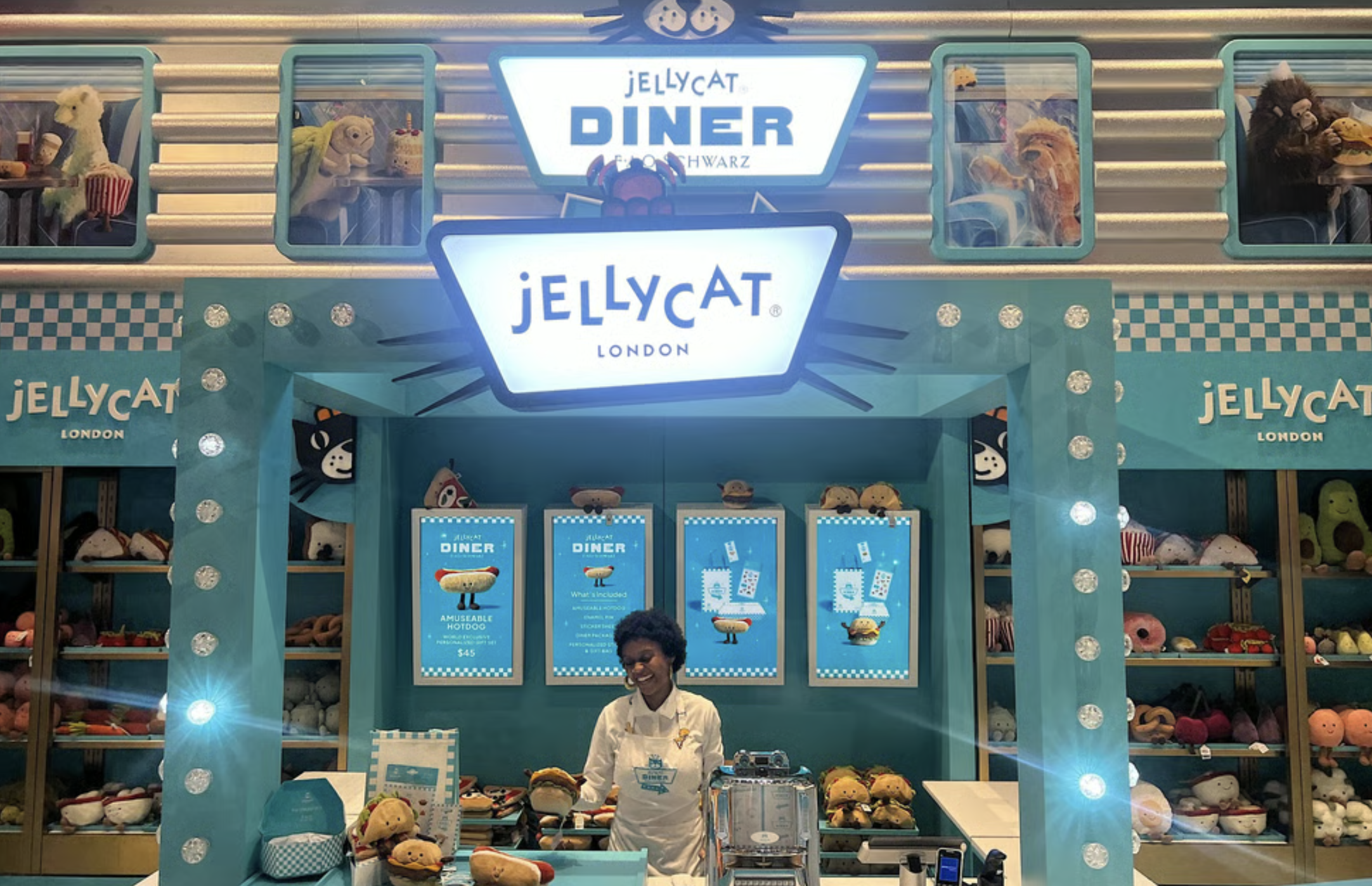
In my opinion, the most creative aspect of Jellycat’s marketing initiatives is its experiential pop-ups and installations. The company hosts different interactive events around the world. For example, it hosted a travel-themed pop-up at Logan International Airport and created “Jellyfest” in Berlin, a play on Oktoberfest that introduced an entirely new product collection. What makes these pop-ups interesting is that they aren’t just traditional stores with products sitting on shelves waiting to be bought. Rather, the customer becomes part of the experience. At the NYC diner, for instance, customers order their own “food” Jellycat, watch as a worker prepares it in front of them, and receive it wrapped like take-out. It’s an interactive experience that turns shopping into entertainment.
Jellycat has transformed itself from a traditional toy company into a recognizable, experience-driven brand. The company’s success comes from understanding that customers are buying emotions and experiences, not simply products. Jellycat makes it clear that when a brand understands their audience and position in the market, it can stand out from competitors and become a leader in its industry. So, perhaps it's not so surprising that my sister is so willing to travel to New York City for a stuffed animal. It's a testament of Jellycat’s unique branding.
Kacy King